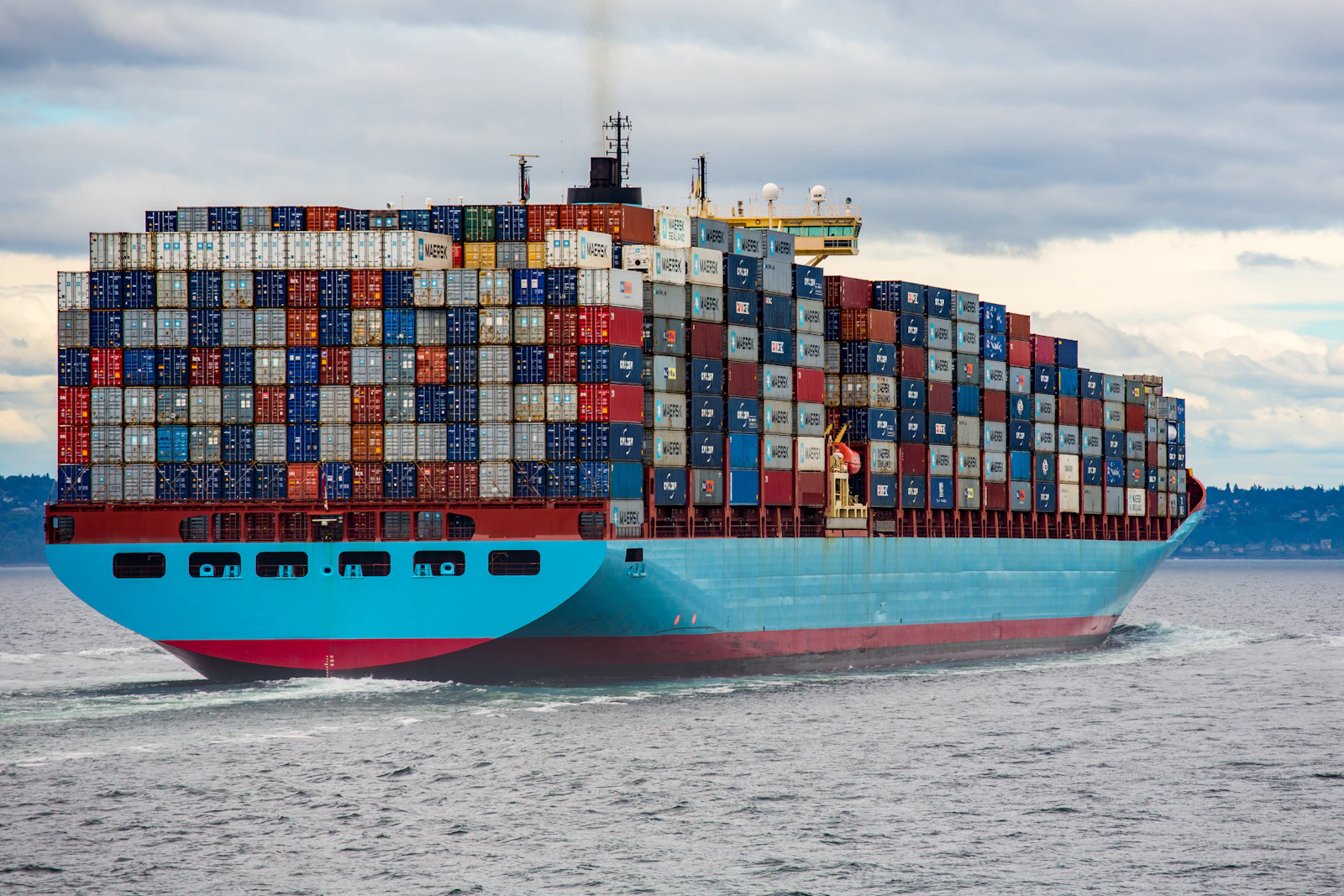
Sea Freight — FCL & LCL
Full containers and weekly LCL consolidations on the world's main trade lanes.
Ocean freight moves around 90% of world trade, and it's where forwarding earns its keep: the right service level, a clean rate with every charge itemised, and someone watching the shipment at every hand-off. We book FCL on all major lanes and run LCL for consignments that don't justify a whole box.
FCL — your own container
20GP, 40GP, 40HC and 45HC on port-to-port or door-to-door terms. Priced per box, so a fuller container is cheaper per unit shipped.
LCL — pay for the space you use
Your pallets share a consolidated container, billed per w/m (the greater of volume in CBM and weight in tonnes) with a one w/m minimum.
Specialised equipment
Reefer for temperature-controlled cargo, open-top and flat-rack for out-of-gauge, and breakbulk chartering for project moves — priced by enquiry.
Milestones from gate-in to empty return
The full 13-step FCL chain tracked in the portal: gate-in, export clearance, loaded, departed, arrived, discharged, import cleared, delivered, empty returned.
How sea freight is priced
A quote splits into origin charges (haulage, export clearance, terminal handling), the ocean leg (base rate plus BAF fuel and security surcharges) and destination charges (THC, clearance, delivery). Instant rates on our published lanes show every line; anything off-lane is priced by the team within hours.
Common questions
FCL or LCL — where's the break-even?
Roughly 13–15 CBM. Above that, a 20ft container usually beats LCL per-w/m pricing — and your cargo isn't handled at a consolidation warehouse.
How long does China–UK take?
Around 30–35 days port to port on direct services, plus origin/destination time. Our published lanes show the current transit for each service.
What about demurrage and detention?
Free time at the port and for the container is set by the carrier. We flag the free days on your booking and warn you in the portal before they run out.